Planning for a Drier Season
Drought-Friendly Annuals and Perennials for Alberta Gardens
Every growing season in Calgary is a little different. With ongoing infrastructure repairs and the possibility of water restrictions, many homeowners are asking a practical question:
What should we plant if water becomes limited?
Drought-friendly does not mean sparse or uninspired. It means choosing plants and designing spaces that can handle variability.

What Drought-Friendly Really Means
A drought-tolerant garden is not one that never needs water. It’s one that’s built to perform in our climate.
It typically:
Uses plants suited to Alberta conditions
Encourages deep, established root systems
Prioritizes healthy soil
Avoids overcrowding
Uses water intentionally
Plant choice matters, but it’s only part of the equation.
Below are reliable options regularly incorporated into Calgary gardens.
Drought-Friendly Perennials
Perennials are often your strongest allies in a drier season. Once established, many are surprisingly resilient.
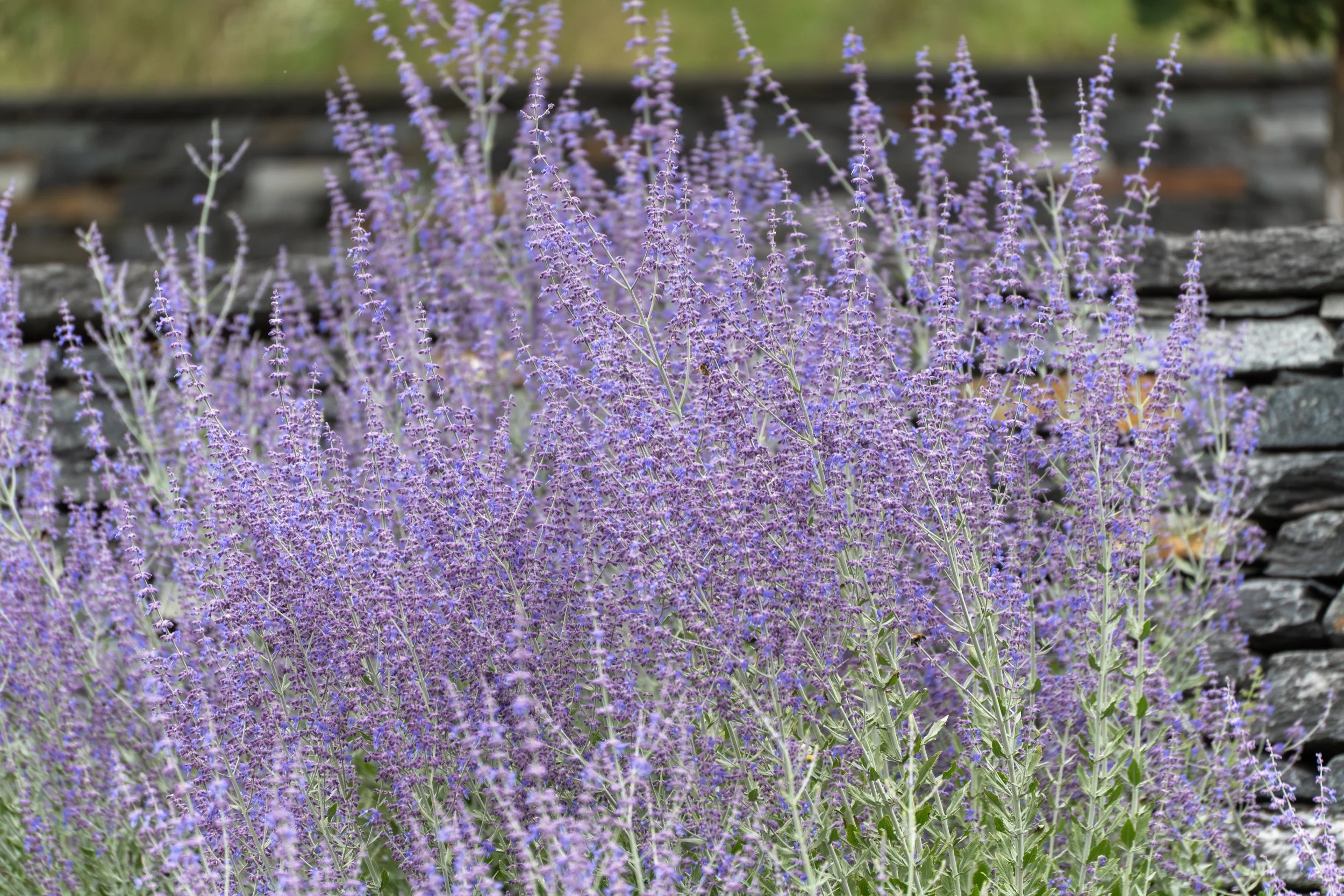
Russian Sage: Reliable structure and soft purple tones. Performs well in full sun once established.
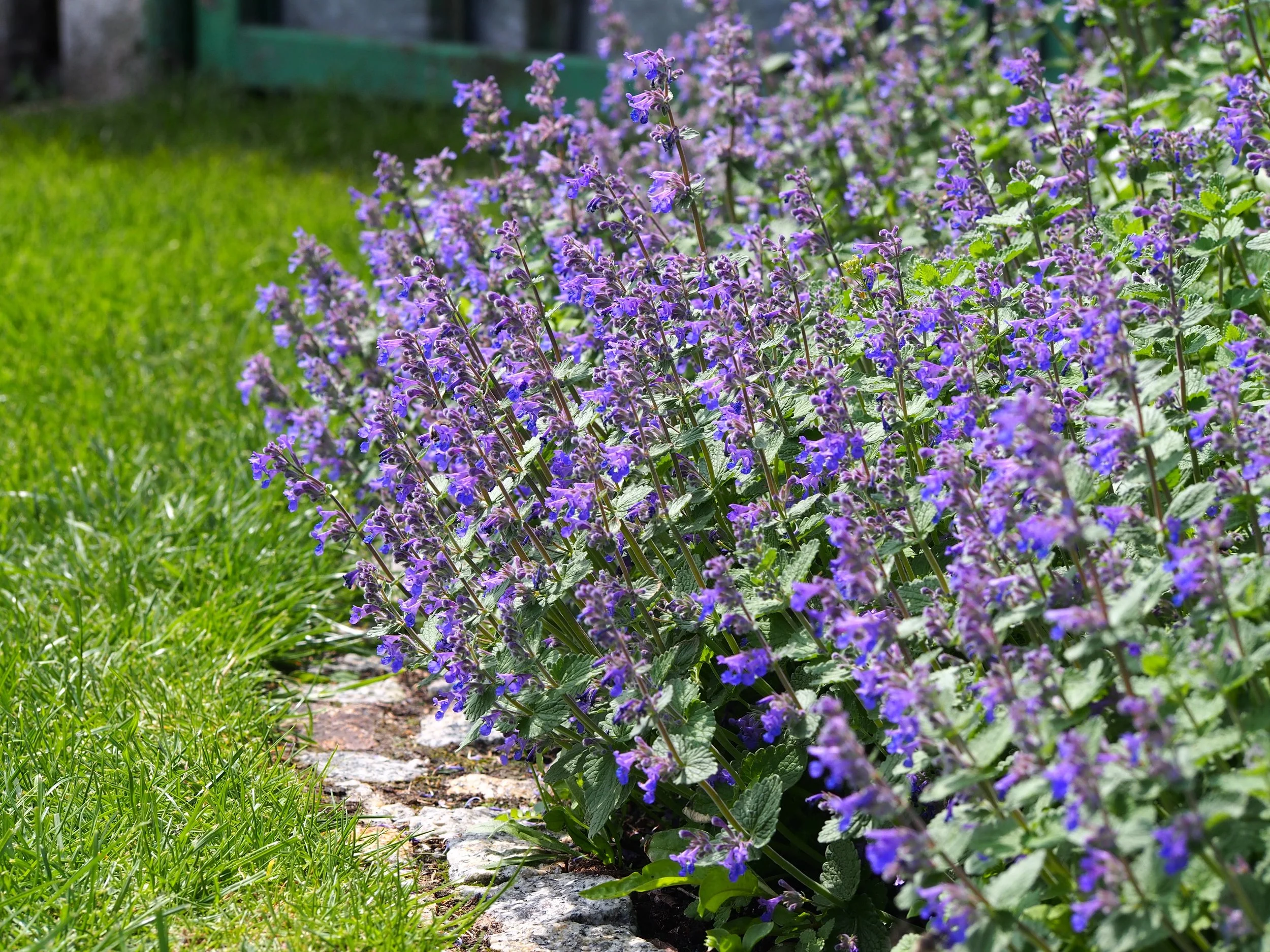
Catmint (Nepeta): Long bloom time, low maintenance, excellent edging plant.
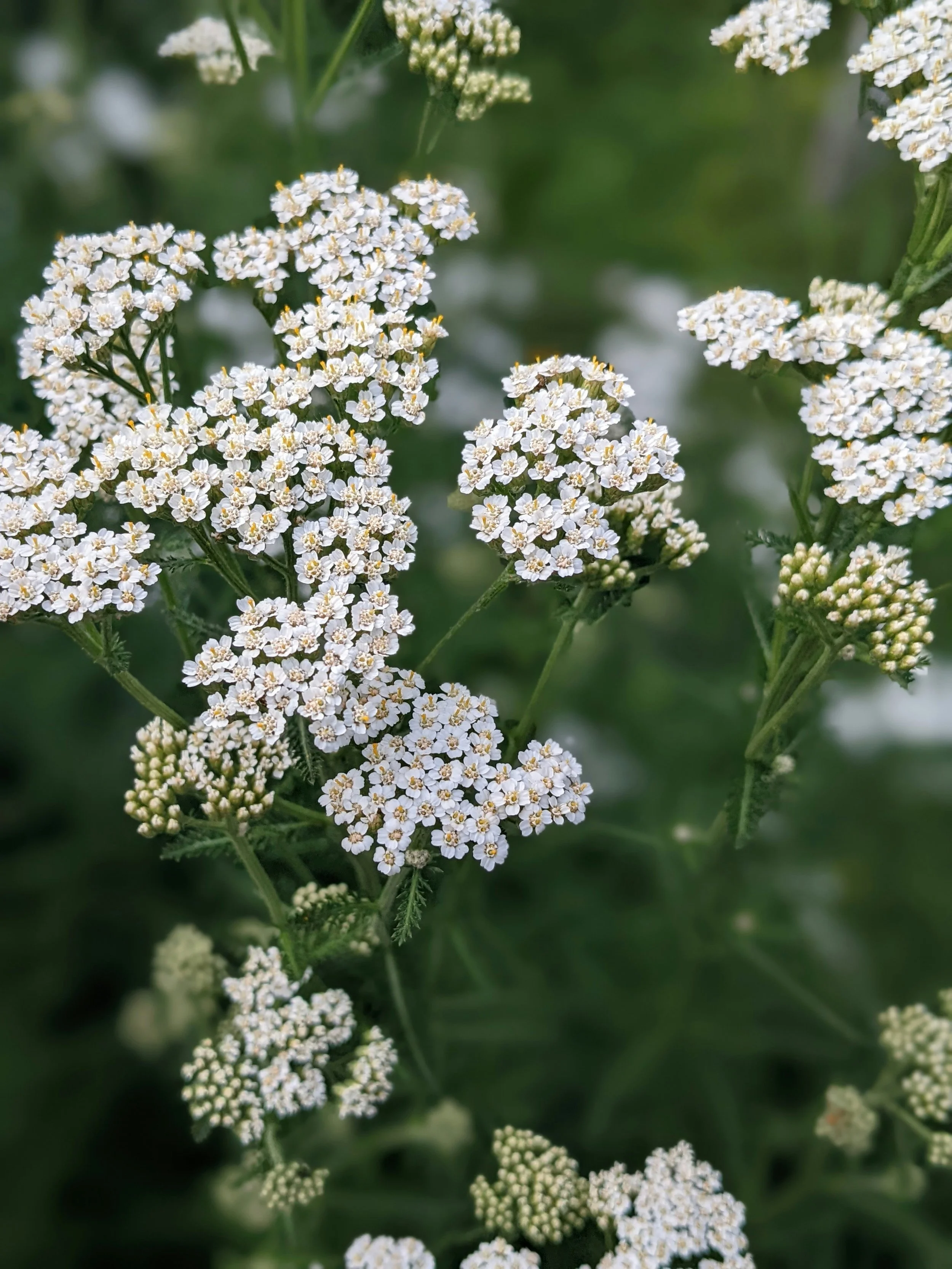
Yarrow: Adaptable and hardy, available in soft neutrals and stronger colour options.
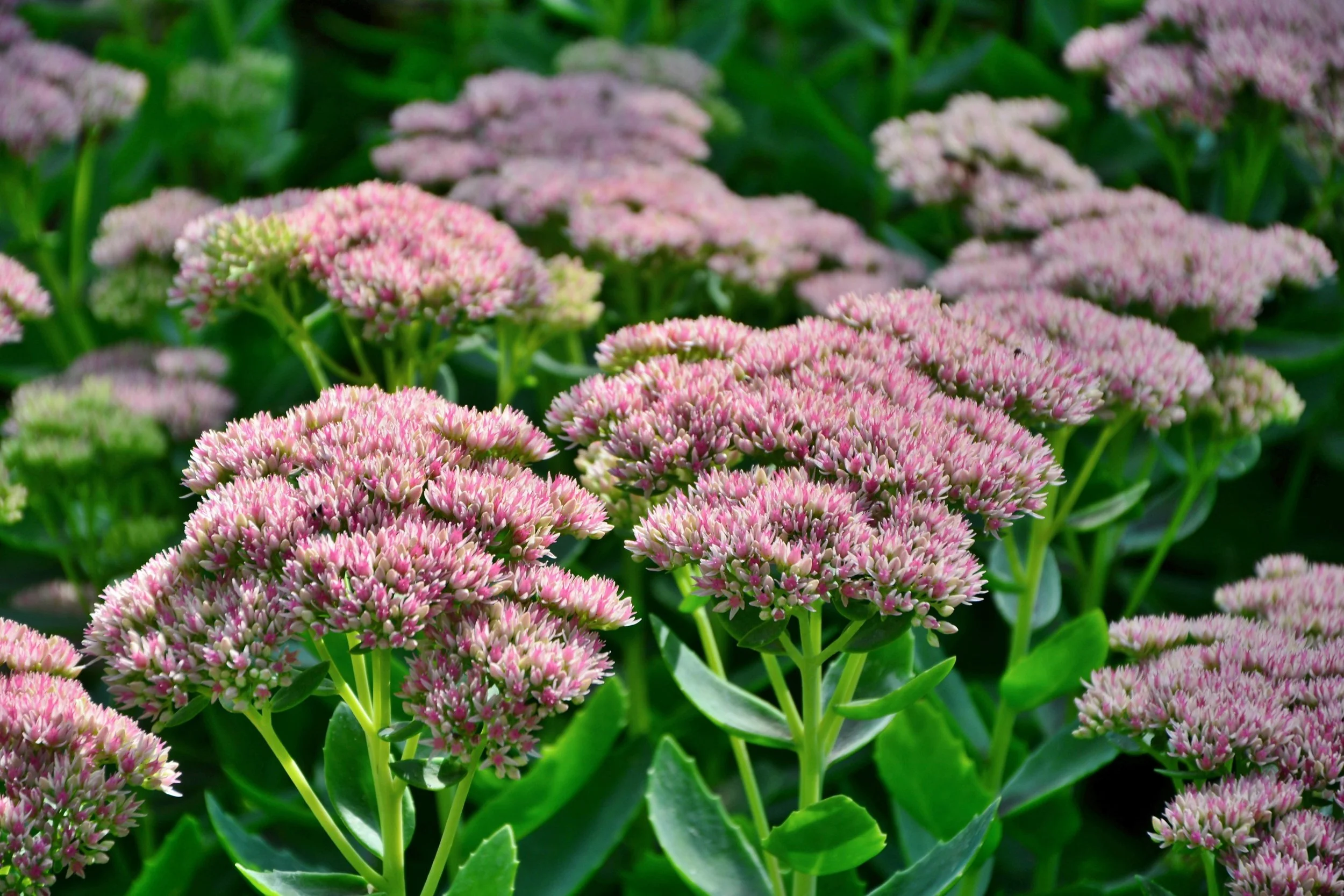
Sedum (Stonecrop): Excellent for sunny exposures and well-drained soil.
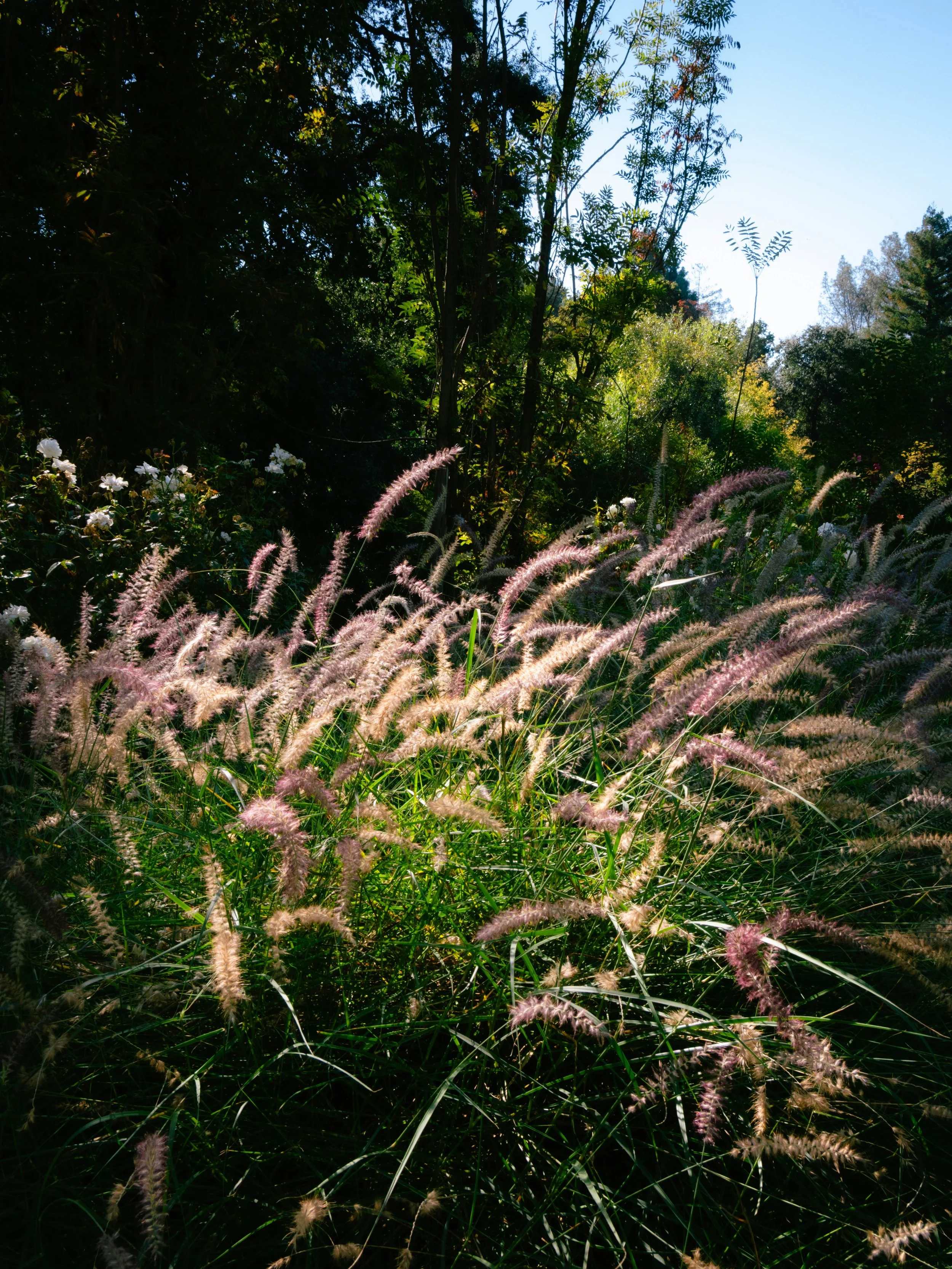
Ornamental Grasses: Add movement and texture while tolerating dry periods.
Coneflower (Echinacea): Pollinator-friendly and dependable once established.

Drought-Friendly Annuals
Annuals generally require more consistent watering than perennials, but some handle heat and dry spells better than others.
Geraniums: Dependable for containers and sunny spots.
Petunias: Modern varieties are more resilient than many people expect.
Verbena: Performs well in heat and works beautifully in containers.
Sweet Potato Vine: Strong foliage presence with good heat tolerance.
Dusty Miller: Reflects heat and handles sun exposure well.
Design Matters as Much as Plant Choice
Resilience is not just about what you plant. It’s about how you design.
In both garden beds and containers, drought performance improves when you:
Group plants with similar water needs
Invest in quality soil and compost
Mulch appropriately
Avoid planting too densely
Consider irrigation carefully
A well-designed garden reduces water waste and improves long-term performance.

Planning Early Makes a Difference
If water restrictions do come into play this season, gardens that were planned early will adapt more easily.
That doesn’t mean sacrificing colour or interest. It means making thoughtful decisions up front so your space holds up through changing conditions.
If you’re considering a refresh this year, March is a good time to start the conversation.