Choosing Plants at the Garden Centre
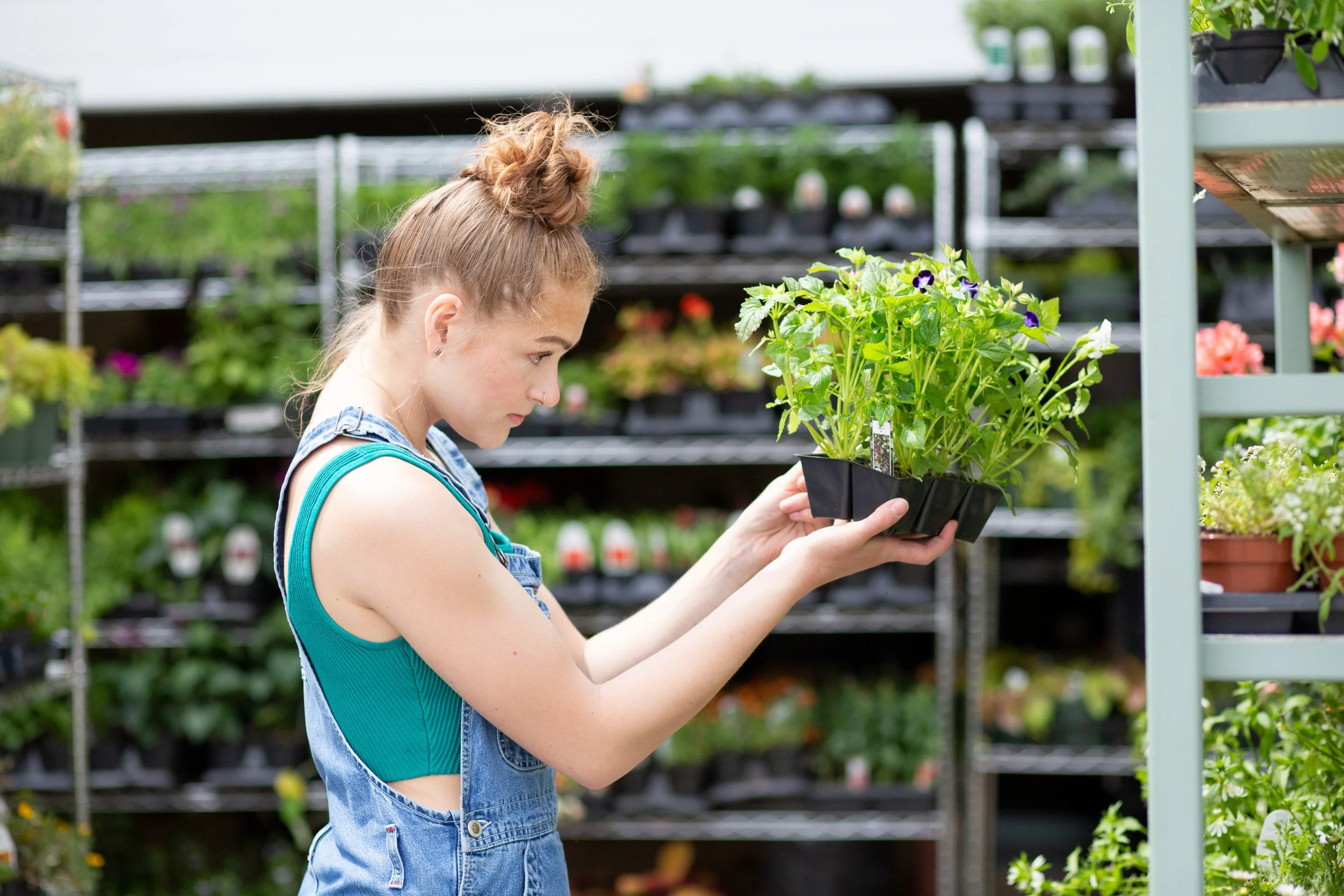
How to make better plant decisions before they end up in your cart
Garden centres can feel a little overwhelming this time of year. Everything looks healthy and in bloom, carts fill quickly, and after a long Calgary winter, it’s easy to make decisions based on colour alone. Honestly, most gardeners have done it.
But many of the frustrations people experience later in the season often start before plants ever make it home.
Usually not because someone lacks a green thumb, but because certain decisions made in spring become much harder to manage by midsummer.
Things like:
the wrong exposure
overcrowding
impulse buying
unrealistic watering demands
choosing appearance over long-term performance
A garden that looks good in May is relatively easy. A garden that still performs well in August usually comes down to better decisions at the beginning.

Start with your conditions, not the plant table
One of the best things a gardener can learn to do is pay attention to the conditions they’re planting into before falling in love with a specific plant.
Before shopping, think about:
how many hours of sun the area actually gets
whether the space dries out quickly
reflected heat from fences, stone, or concrete
wind exposure
how much watering you realistically want to manage
A plant that performs beautifully in one Calgary yard may struggle completely only a few blocks away.
Experienced gardeners look beyond flower colour
This is one of the biggest shifts that happens as people gain more confidence in gardening. Instead of shopping only for bloom colour, they start paying attention to:
mature size
growth habit
foliage
structure
water requirements
bloom duration
how a plant behaves later in the season
Some plants peak early and decline quickly while others become stronger as summer progresses. The goal is not simply colour today but rather performance across the season.
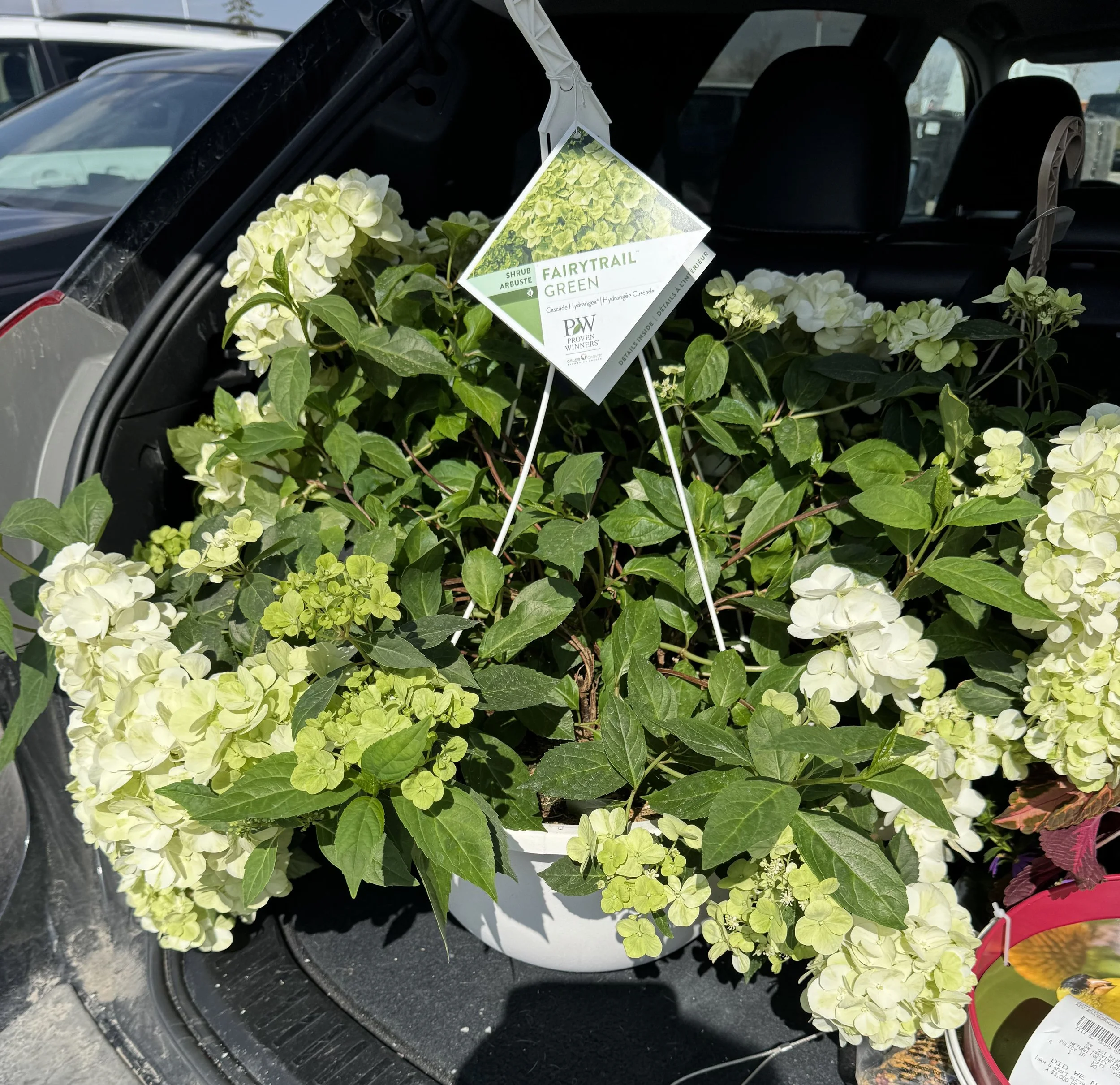
Plant tags are helpful, but they’re not guarantees
Plant tags are a starting point, not a promise.
“Full sun” in Calgary can mean something very different than full sun in a milder climate.
Six hours of intense afternoon sun beside concrete or stone can stress plants that technically qualify as sun lovers.
Hardiness zones can also be misleading. A Zone 4 or Zone 5 plant may survive in a sheltered inner-city yard while struggling badly in a newer, more exposed development.
The more experience people gain in gardening, the more they learn to interpret tags through the lens of their actual site conditions.
Give plants room to grow into themselves
Especially in containers, people often overplant because they want instant fullness. But overcrowded planting usually creates:
faster drying soil
weaker airflow
more stress during heat
root competition
shorter performance windows
Well-designed containers and garden beds should have room to settle in and grow naturally through the season.
Pay attention to the roots, not just the flowers
A plant covered in blooms is not always the healthiest choice. If possible:
check for dense circling roots
avoid severely root-bound plants
look for sturdy stems
avoid stretched or floppy growth
inspect for pest damage or mildew
Strong structure usually outperforms temporary flower power.
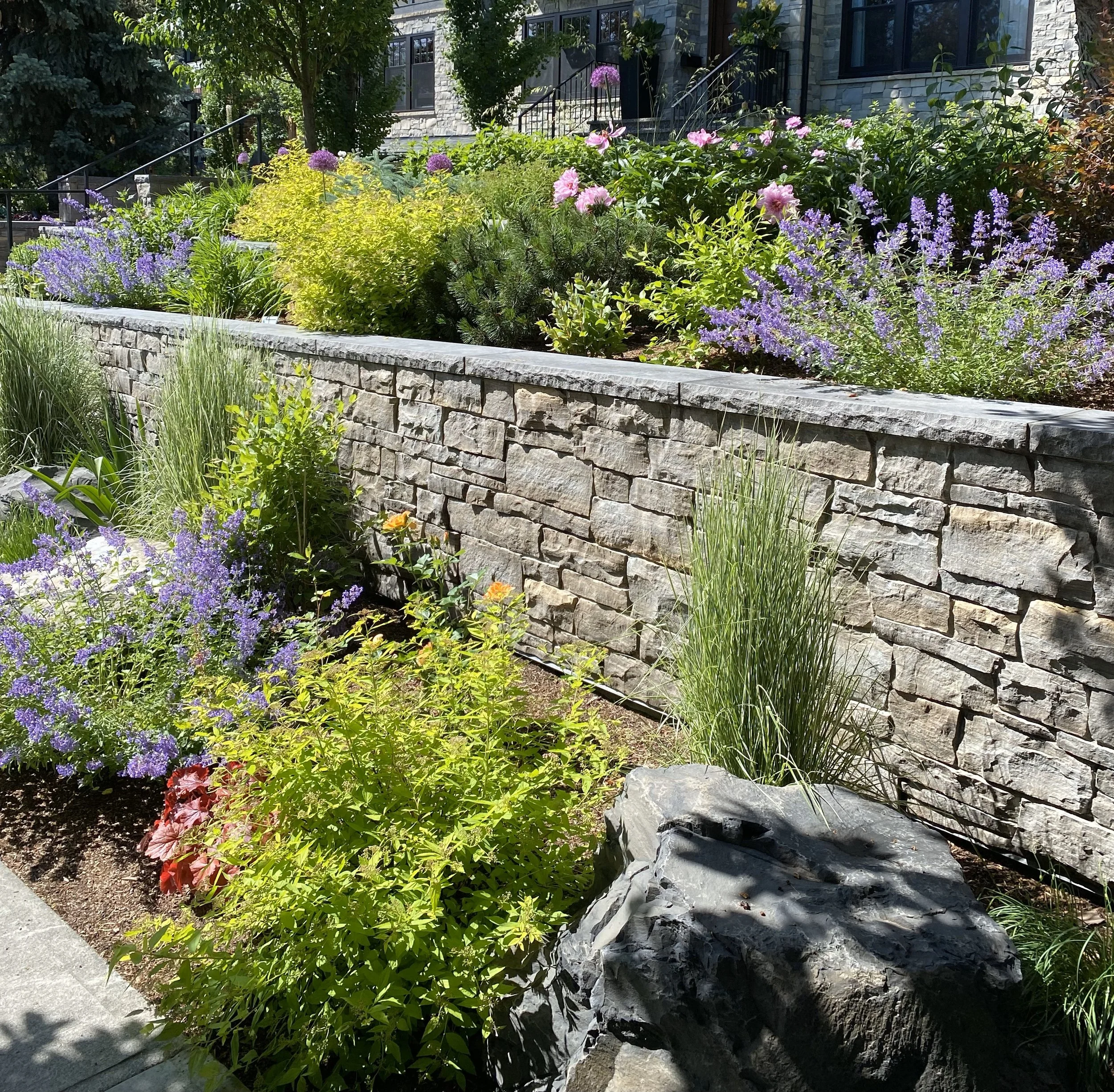
Think in layers, not individual plants
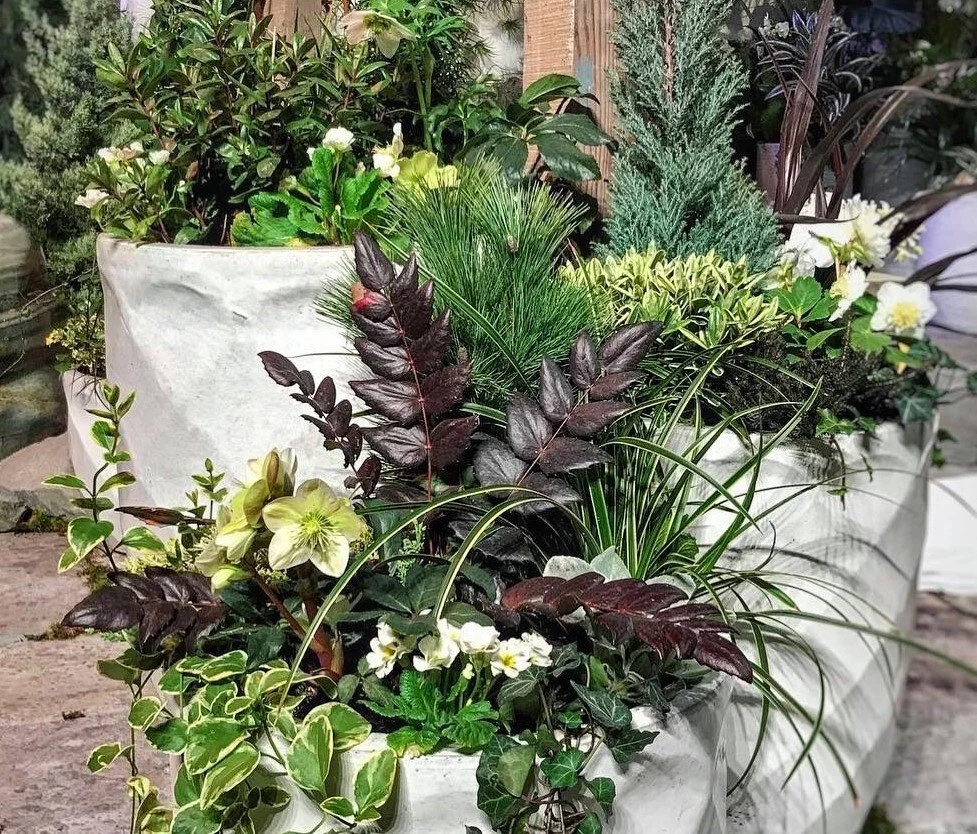
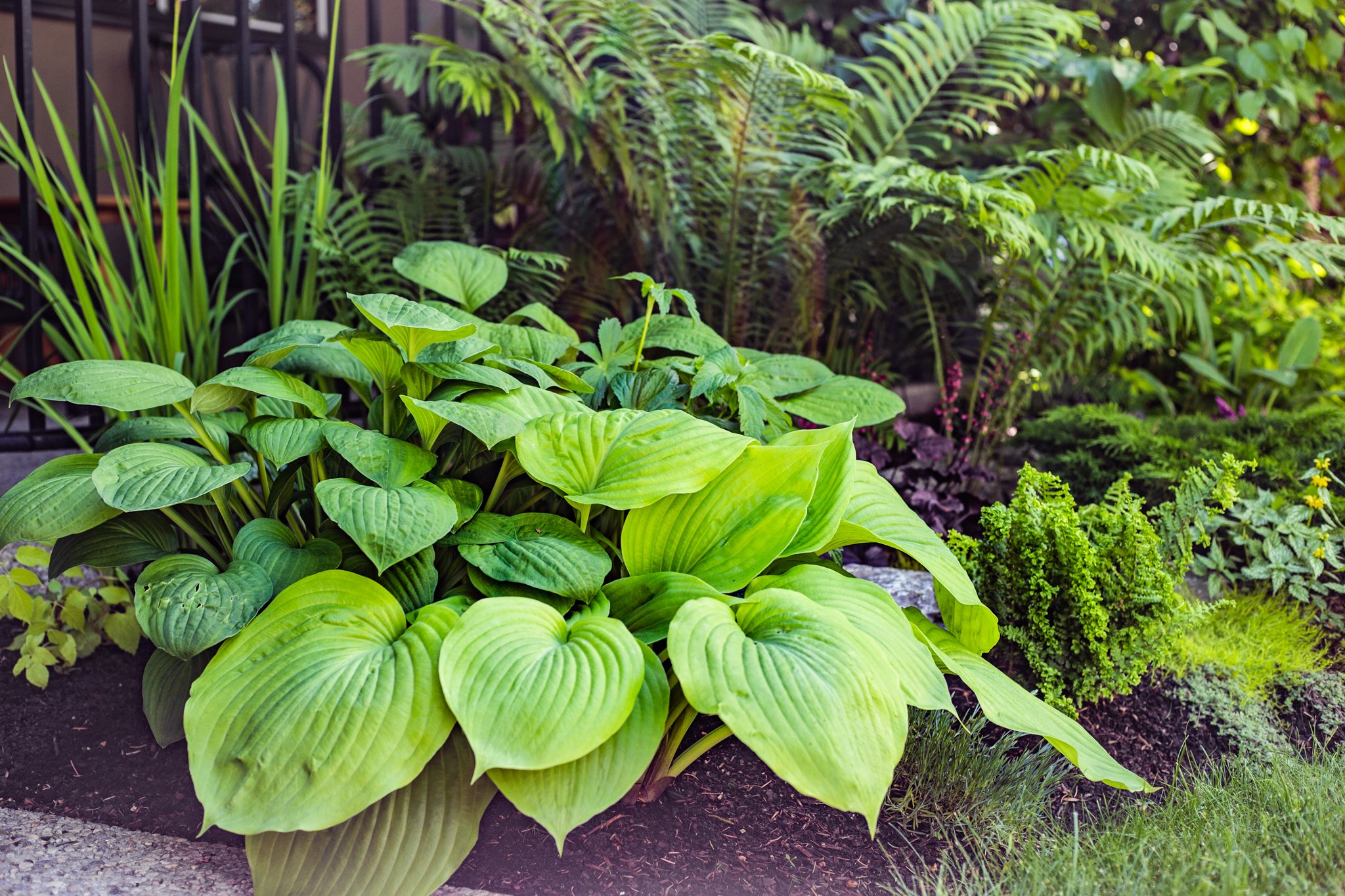
The gardens that feel the most balanced and established are rarely built from isolated impulse purchases.
Experienced gardeners usually think about:
height variation
foliage contrast
bloom timing
texture
structure
what the garden will look like after peak bloom passes
Strong gardens evolve through the season instead of peaking all at once.
Don’t force a plant to prove itself
If a plant repeatedly struggles in your space, it’s usually worth paying attention to that pattern.
A surprising amount of gardening success comes from working with your conditions instead of constantly fighting them.
The right plant in the right place is still one of the most important principles in horticulture.
A few questions worth asking yourself before checkout
Do I know where this is going?
Does it suit the light conditions?
How large will it actually get?
Can I realistically maintain its water needs?
Am I buying this because it works, or because it’s flowering right now?
Will this still look good in six weeks?
In the studio
We spend a lot of time helping clients avoid expensive seasonal mistakes before they happen.
Sometimes the best garden decisions are not about buying more, but choosing better from the start.
If you need help selecting plants, planning containers, or building a garden that performs well through the season, we’re here to help.
Rooted in the garden. Designed for every space.