
Keep Your Indoor Plants Happy All Winter
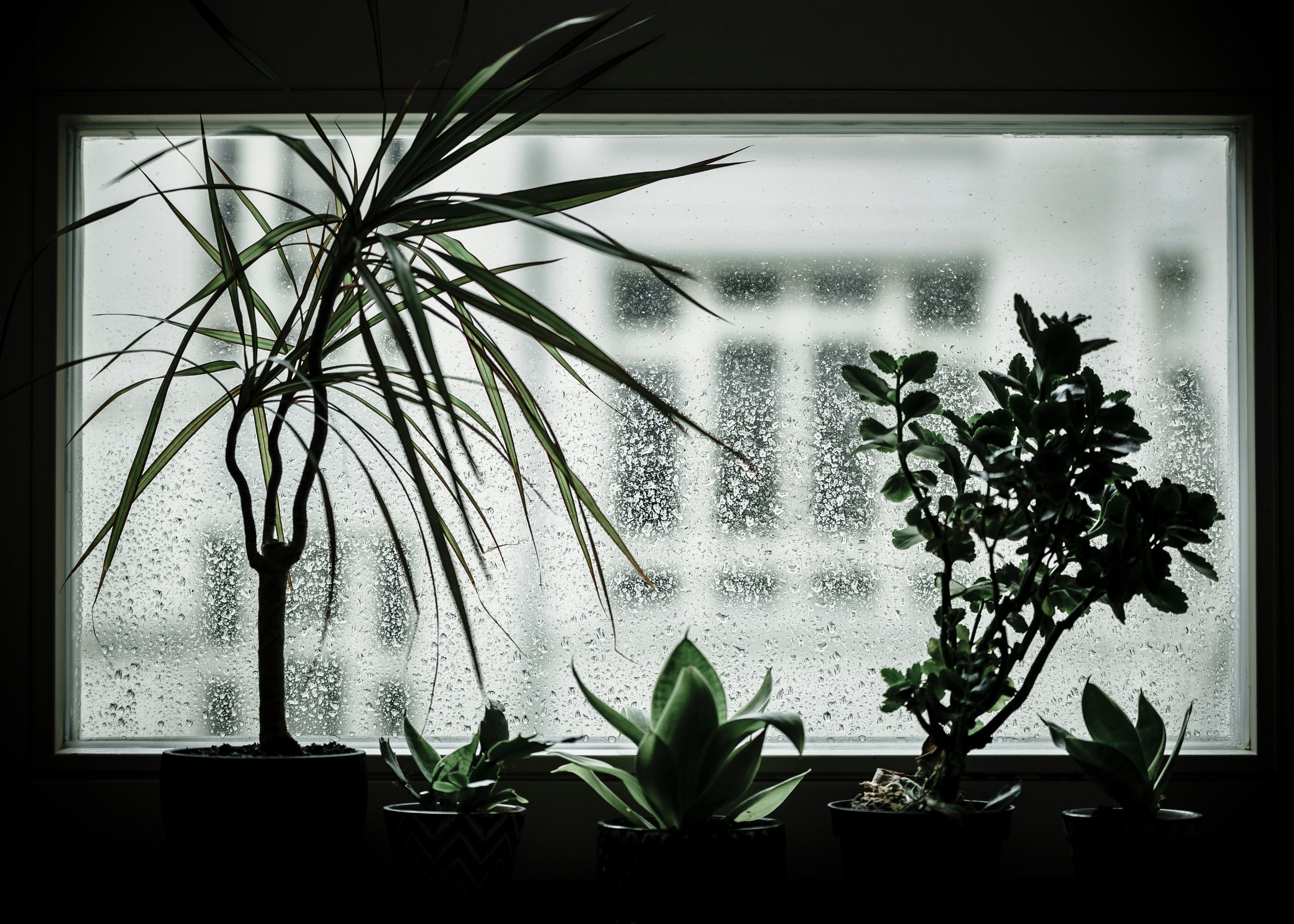
Every winter, we see the same thing happen. The first real cold snap hits, the windows frost over, and the studio fills with messages that start with “My plant is dropping leaves” or “Is this normal?” It is normal, but it is also avoidable.
Houseplants feel winter just as much as we do. They react to the cold glass, dry air, shorter days, and sudden shifts from warm afternoons to chilly nights. The good news is that a few small changes will carry them comfortably through the season.
Here is a simple winter guide to help your indoor plants stay healthy until spring.
1. Move Plants Away From Cold Windows
We hear this often: “But my plant has always lived on that windowsill.”
In summer, that is fine. In winter, not so much.
Cold glass pulls warmth from leaves and soil faster than you would expect. Even if your home feels cozy, the temperature right beside a window can drop quickly at night.
Try this:
Pull your plants back a foot or two from the glass.
Use a side table or plant stand nearby.
Close curtains at night if the cold sinks in.
Your plants get the daylight they love without the nighttime chill.
2. Give Them a Little More Light
Winter light is softer and shorter. Plants slow down naturally, but they still reach for what they can get.
In the studio, we always rotate our plants so all sides get light. You can do the same at home.
Simple ways to help:
Turn your plants a quarter turn every week or two.
Wipe dusty leaves. Clean leaves absorb more light.
Use a small grow light if you notice stretching or leaning.
Nothing complicated. Just thoughtful adjustments.

3. Water Less, But Smarter
People often assume winter means plants are thirsty because the air is dry. In reality, most drink far less this time of year.
Overwatering is the number one cause of winter plant stress.
A good winter rhythm:
Only water when the top inch or two of soil is dry.
Use room-temperature water to avoid shocking roots.
Empty saucers so roots are never sitting in moisture.
Think of winter watering as slow and intentional.
4. Add a Bit of Humidity
Dry indoor heat pulls moisture out of the air, and your plants feel it quickly.
Easy humidity boosts:
Group plants together to create a natural humidity pocket.
Set pots on a pebble tray with water below the surface.
Mist lightly if your plant likes it.
Run a small humidifier nearby if you have one.
A little moisture helps prevent crispy edges and drooping leaves.
5. Watch Out for Heat Sources
Just like cold windows, heat vents can cause fast stress. A vent blowing directly on a plant will dry it out faster than cold air ever will.
Try this:
Keep plants away from furnace vents, fireplaces, and space heaters.
Move them a few feet over if you notice crisping or curling leaves.
They prefer steady, gentle warmth, not bursts of dry heat.

Some plants are sensitive to fluoride in tap water.
6. Pay Attention to Water Quality
As of summer, this is a new one for Calgary plant parents.
With the recent reintroduction of fluoride to the city’s water system, a few houseplants may show sensitivity over time. Most indoor plants tolerate standard municipal fluoride levels just fine, but some species are more vulnerable.
Plants that prefer low-fluoride water:
Spider plant
Peace lily
Prayer plant
Many dracaena varieties
Some calatheas
These plants may develop brown tips or leaf edges if fluoride builds up in their soil.
Easy alternatives:
Use filtered or distilled water for sensitive species.
Let tap water sit out overnight (this does not remove fluoride, but it does remove chlorine, which helps some plants).
Water deeply and let excess drain to prevent buildup.
You do not need to overhaul your entire watering routine. Just keep an eye on the plants that tend to be picky.
7. Pause Repotting and Fertilizing
Winter is a rest season. Your plants are conserving energy, not pushing out new growth. Repotting or fertilizing now can stress them.
Save those tasks for spring when the days lengthen and new shoots appear.
A Softer Winter for Your Plants
Your plants do not need perfection this season. Just a little help. Move them away from the cold, give them a touch more light, water slowly, soften the dry air, and be mindful of water quality if you keep fluoride-sensitive plants.
Small, thoughtful care makes winter easier for both you and your plants.
And if you ever have questions or need help choosing the right plant for your space, you know where to find us. The studio is always happy to help.